



Journals
Lined vs. Dot Grid vs. Blank Journals: Which Page Style Fits Your Writing?
October 17, 2026
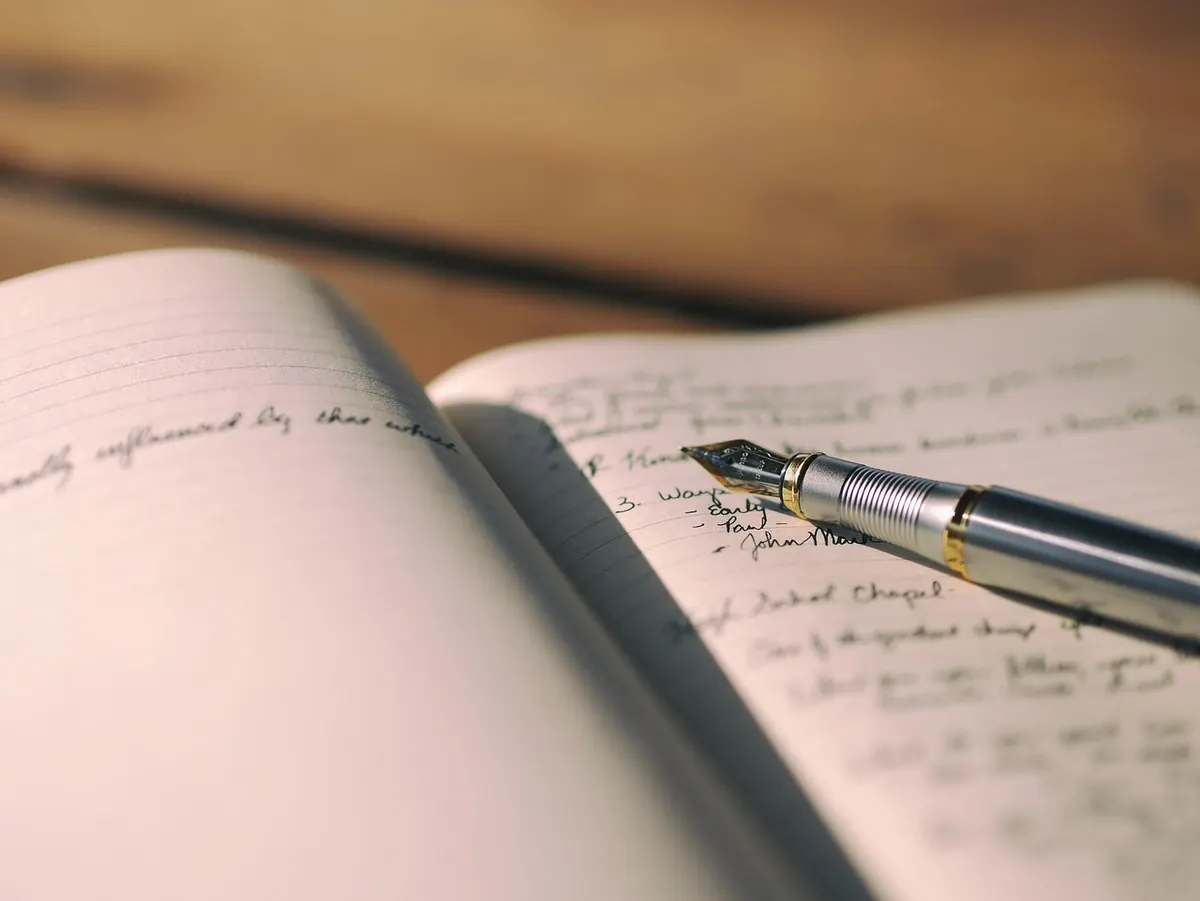
Walk into any stationery shop and the choice sounds simple: pick a cover, pick a size, done. Then you open the journal and the real question appears. Lines, dots, or nothing at all? The ruling under your pen decides how straight your handwriting sits, how easily you can draw a table, whether sketches feel cramped, and whether the page still looks tidy by Friday. There is no wrong answer, only a page that suits one kind of thinking better than another.
Why the page style changes how you write
Ruling is a quiet form of guidance. Faint grey lines usually make people write smaller, straighter, and more consistently than a blank sheet does. A dot grid invites boxes, timelines, and small diagrams in the margins. A truly blank page makes most of us freeze for three lines, then relax into a looser, wider hand.
So the question is not which style is best in general, but which one removes friction from what you do most often. Fill pages with paragraphs and you want lines that stop your sentences drifting. Spend your time drawing arrows between ideas and you want something to align to without being boxed in.
Lined journals: the reliable default
Lined pages are the standard for a reason. Common ruling sits somewhere between 6 mm and 7 mm, which suits most adult handwriting; a tighter 5 mm can feel cramped unless your script runs small. Horizontal lines do three useful things at once: they keep sentences level, they set a consistent line height so a page holds more words, and they make it easy to leave a gap when you start a new thought.
They are the natural home for long-form journaling, diary entries, interview notes, lecture notes, letters, and drafts you might reread later. Some notebooks add a margin line down the side, handy for dates or topic labels.
The trade-off is flexibility. Want to sketch a rough chart or a floor plan? On lined paper you either ignore the lines, which looks muddled, or fight them. If you mainly write words and rarely draw, this is the least demanding choice, and often the best value per page.
Dot grid journals: quiet structure
The dot grid has become the planner's favourite, and the appeal is easy to explain. A light field of dots, often spaced 5 mm apart, gives you just enough reference points to draw a straight line, divide a page into columns, or box out a calendar without the visual noise of full squares. Seen from a metre away it reads as blank. Look closely and it quietly offers a ruler.
Two groups tend to love it:
- Planners who sketch weekly spreads by hand and want columns that actually line up.
- Note-takers who mix sentences with bullets, arrows, and small diagrams.
For pure prose, a dot grid asks a little more of you. Dots suggest rather than guide, so lines can slope when you are tired or writing fast. Many people slide a ruled sheet underneath as a guide, or simply accept a slight wander. The reward is a page that adapts to the day: half to-do list, half journal entry, half sketch.
Blank pages: freedom, with a small catch
A blank journal is the most generous and the most intimidating of the three. Nothing is prescribed, so nothing is off-limits: full-bleed sketches, mind maps that grow in every direction, pasted-in tickets, a single sentence floating in the middle of the page. Artists and sketchers usually choose blank paper because it treats every mark equally.
The catch is that blank pages offer no anchor. Handwriting tends to drift upward or downward, and it can take a few sentences to settle into a rhythm. That is less a problem than a habit to build. Practical workarounds:
- Place a sheet of ruled paper underneath so the lines show faintly through the page.
- Turn the book slightly and write along an imagined baseline until it feels natural.
- Mark a small date or title in one corner, which gives the rest of the page a starting point.
If your journal leans toward drawing, collage, or loose visual thinking, blank wins. If you want to fill two pages of prose on a train, it will test your patience.
Matching page style to the way you plan
Structure needs often decide the matter, and they follow the task more than the personality. A few pairings that tend to work well:
- Daily planning: dot grid, for hand-drawn boxes, time blocks, and columns that line up.
- Meeting and class notes: lined, so text stays dense and readable weeks later.
- Sketching and design ideas: blank, or dot grid if you want straight edges without a visible grid.
- Habit tracking: dot grid, or squared paper if you prefer a firmer structure.
- Freewriting and morning pages: lined, ideally with ruling that matches your natural handwriting size.
A quick test: take the journal you finished most recently and flip through it. Count pages that are mostly words, mostly drawing, and a mix of both. The majority wins. If your last book was half diagrams, a lined page was probably holding you back; if it was all text with three doodles, a dot grid may be more freedom than you need.
Weigh paper against ruling, too. A page style you love on paper that ghosts or bleeds through a fountain pen will frustrate you daily. Heavier paper handles wet ink better, and cream or off-white pages are gentler during long writing sessions. Test your usual pen on the ruling before committing to a year of pages.
A practical way to choose
Be honest about the dominant use. Write paragraphs and choose lined. Build layouts and choose dot grid. Draw or paste things in and choose blank. Then check what ruling alone cannot tell you: the line spacing against your own handwriting, whether the paper takes your pen without feathering, whether the book lies flat at the page you need, and whether the page count matches how often you like to start fresh.
If you genuinely cannot decide, buy one of each in the smallest size available and use them for two weeks. Real pages will tell you more than any comparison chart. Most people settle into a lined book for writing and a dot grid for planning, with a blank one nearby for the days when an idea arrives as a picture rather than a sentence.
Photo: Pexels / Pixabay
Related posts
More stories you’ll love reading